
Why Do I Need a Root Canal Instead of a Filling?
At HH Hancock III Root Canal Endodontist, we understand that hearing you might need a root canal can feel intimidating. However, the procedure is one of the most important and commonly performed treatments in North Raleigh endodontics, and it exists for one purpose: to save a tooth that might otherwise be lost. Knowing when a root canal is necessary can help you feel more prepared and less anxious if your dentist or endodontist recommends one.
What Is a Root Canal?
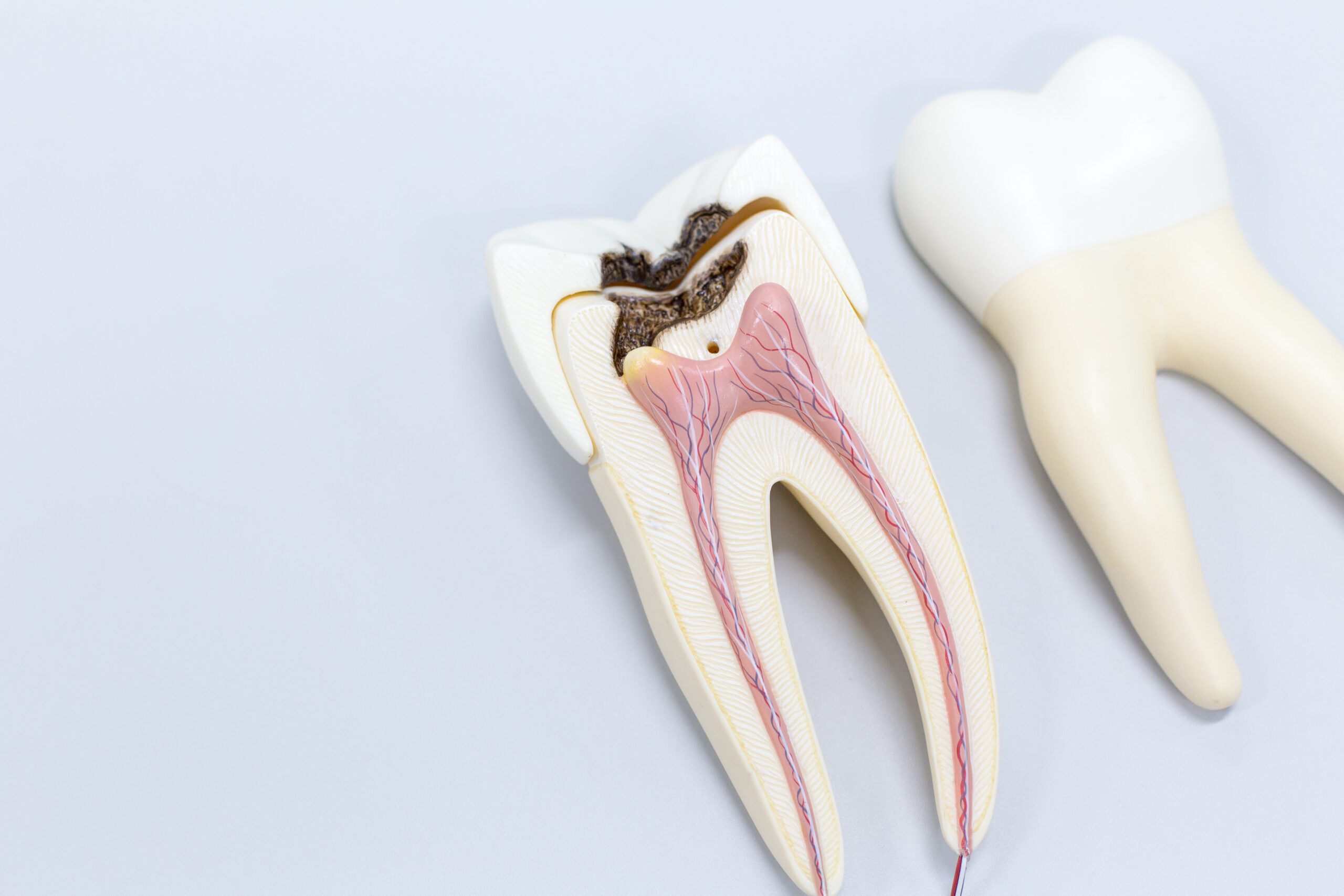
A root canal is a procedure that removes the infected or inflamed pulp from inside a tooth. The pulp is the soft tissue at the center of every tooth that contains nerves and blood vessels. Once a tooth is fully developed, the pulp is no longer essential to its survival, which means removing it does not compromise the tooth’s long-term function. After the pulp is removed, the interior of the tooth is cleaned, shaped, and sealed to prevent reinfection. In most cases, a crown is placed afterward to protect and strengthen the tooth.
Common Reasons an Endodontist Recommends a Root Canal
Not every toothache requires a root canal, and not every tooth that needs one is painful. The best way to know whether you need this treatment is to see a specialist. That said, there are several well-established clinical reasons why a provider of North Raleigh endodontics would recommend this procedure.
1. Deep Decay That Has Reached the Pulp
When a cavity is left untreated long enough, decay can work its way through the outer layers of the tooth and reach the pulp. Once bacteria infect the pulp, a filling is no longer sufficient to address the problem. A root canal removes the infected tissue and gives the tooth a chance to survive.
2. A Cracked or Fractured Tooth
A crack in a tooth can allow bacteria to enter the inner chamber and infect the pulp. Depending on the depth and location of the crack, a root canal may be the only way to save the tooth. This is especially common in teeth that have experienced trauma or have been weakened by large fillings over time.
3. A Dental Abscess
An abscess is a pocket of infection that forms at the root of a tooth or in the surrounding gum tissue. It can cause intense pain, swelling, and even fever in some cases. A root canal drains the infection, removes the damaged tissue, and seals the tooth to prevent the infection from returning or spreading.
4. Prolonged Sensitivity to Heat or Cold
Brief sensitivity to temperature is normal, but if pain lingers for more than a few seconds after exposure to hot or cold food or beverages, it may indicate that the pulp has been damaged or is inflamed. This type of sensitivity is one of the more telling signs that North Raleigh endodontics specialists look for when evaluating a tooth.
5. Trauma to the Tooth
A blow to the mouth, a sports injury, or any kind of facial trauma can damage the pulp even without visible cracking or fracturing. The trauma may sever or damage the blood supply to the pulp, causing it to die. A root canal may be needed to prevent infection and preserve the tooth.
What Happens If You Wait?
Delaying treatment when a root canal is indicated rarely leads to a better outcome. In many cases, the infection worsens, the surrounding bone becomes involved, and the tooth may become unsalvageable. What could have been saved with a root canal may eventually require extraction, followed by a bridge or implant to restore the missing tooth. Addressing the problem promptly is almost always the better path forward.
Signs You Should Be Evaluated
If you experience any of the following, contact our office to schedule an evaluation:
- Persistent or severe toothache
- Swelling in the gums, jaw, or face
- Darkening or discoloration of a tooth
- A pimple-like bump on the gums near a tooth
- Prolonged sensitivity to heat or cold
- Pain when biting or chewing
- A tooth that was previously treated but has become painful again
Trust North Raleigh Endodontics for Expert Care
At HH Hancock III Root Canal Endodontist, Dr. Henry Hancock and our team are committed to helping patients understand their options and receive the treatment they need in a comfortable, supportive environment. A root canal is not something to fear; it is a procedure designed to relieve pain and protect your natural smile for years to come. If you have been referred for a root canal or are experiencing any of the symptoms listed above, call us today at (919) 781-9905 to schedule your appointment.