
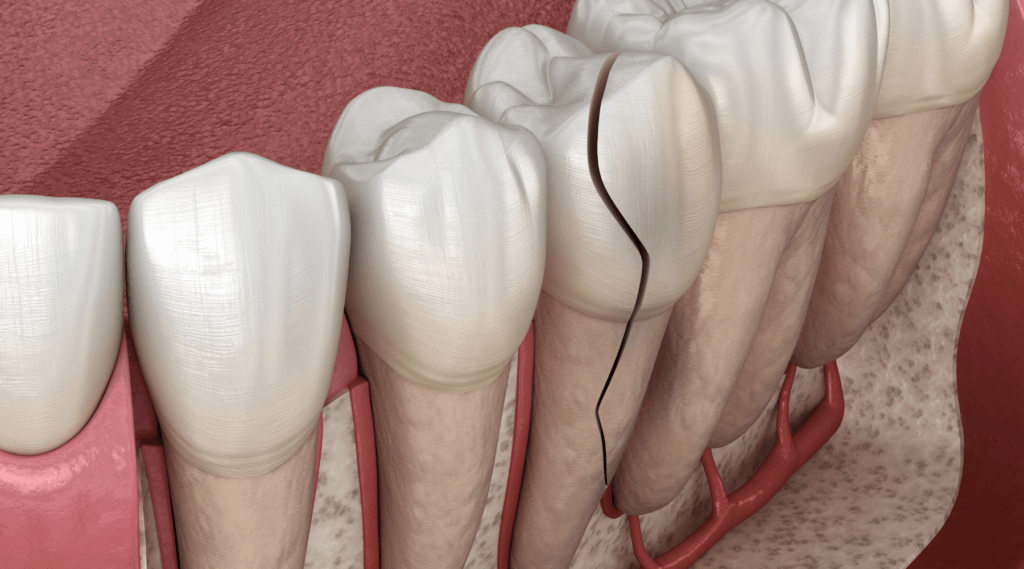
Treatment for Cracked Teeth
Expert Diagnosis and Treatment in Raleigh
At HH Hancock III Root Canal Endodontist, we see patients every week who are dealing with the discomfort and uncertainty that comes with cracked teeth. A crack in a tooth can range from a minor cosmetic concern to a serious dental emergency, and knowing the difference matters. As specialists in Raleigh endodontics, our team has the training and technology to accurately diagnose cracked teeth and guide patients toward the treatment that gives their tooth the best chance of survival.
What Causes Cracked Teeth?
Cracked teeth can result from a variety of everyday habits and incidents. Biting down on something hard, like ice or a popcorn kernel, is a common culprit. Grinding or clenching your teeth at night, previous large fillings that weaken tooth structure, and even the natural effects of aging can all lead to cracks. Trauma from sports injuries or accidents is another frequent cause. Because cracked teeth are not always visible to the naked eye, patients often experience symptoms before they see any physical sign of damage.
Common Symptoms to Watch For
One of the trickiest things about cracked teeth is that the pain can be inconsistent. Patients often describe a sharp twinge when biting down, followed by nothing at all. Other signs include sensitivity to hot or cold temperatures, discomfort that comes and goes without a clear trigger, and general soreness around a specific tooth. If you are experiencing any of these symptoms, it is worth having the tooth evaluated before the crack has a chance to worsen.
How We Diagnose Cracked Teeth
Diagnosing cracked teeth requires more than a quick look in the mouth. Our office uses advanced 3D imaging, including cone beam CT, to detect cracks that standard X-rays might miss. We also rely on a careful clinical exam, bite tests, and patient history to pinpoint the exact location and depth of the crack. This thorough approach is a hallmark of Raleigh endodontics and helps us recommend the most effective treatment for your specific situation.
Types of Cracks and How We Treat Them
Not all cracked teeth are treated the same way. The right approach depends on where the crack is located and how deep it goes.
- Craze Lines: These are shallow cracks limited to the enamel. They rarely require treatment beyond cosmetic bonding if a patient is concerned about appearance.
- Fractured Cusp: This type of crack often forms around an existing filling and typically does not reach the pulp. Treatment usually involves removing the damaged portion of the tooth and placing a crown.
- Cracked Tooth Extending to the Pulp: When a crack reaches the inner pulp, root canal therapy is usually necessary to remove the damaged tissue, followed by a crown to protect and strengthen the tooth.
- Split Tooth: This occurs when a crack has progressed far enough to separate the tooth into distinct segments. Depending on the extent of the damage, part of the tooth may sometimes be saved.
- Vertical Root Fracture: These cracks begin below the gumline and often show few symptoms until infection develops in the surrounding bone. Treatment may involve endodontic surgery or, in more severe cases, extraction.
Why Timely Treatment Matters
Cracked teeth do not heal on their own, and delaying treatment can allow the crack to spread deeper into the tooth or below the gumline. This can lead to infection, increased pain, and a higher likelihood that the tooth cannot be saved. Seeking prompt care from a specialist in Raleigh endodontics gives your tooth the best possible chance at a full recovery.
Frequently Asked Questions
Can a cracked tooth heal on its own?
No. Once a tooth is cracked, the crack will not repair itself. Professional evaluation and treatment are needed to prevent the crack from worsening.
Is treatment for cracked teeth painful?
Most treatments, including root canal therapy, are performed with local anesthesia and are no more uncomfortable than getting a filling.
How can I tell if my tooth is cracked?
Common signs include sharp pain when chewing, sensitivity to temperature changes, and intermittent discomfort. A dental exam and imaging can confirm a diagnosis.
Will I need a crown after treatment?
Many cracked teeth require a crown after treatment to protect the weakened structure and restore normal function.
Concerned About a Cracked Tooth? Let Us Help
If you suspect you have a cracked tooth or have been referred to our office for evaluation, do not wait for symptoms to worsen. Our team at HH Hancock III Root Canal Endodontist combines advanced imaging with years of specialized experience to accurately diagnose and treat cracked teeth of all types. Contact us today to schedule an evaluation and take the first step toward protecting your smile.